Frequently bought with this test
Nutritional & Digestive Health
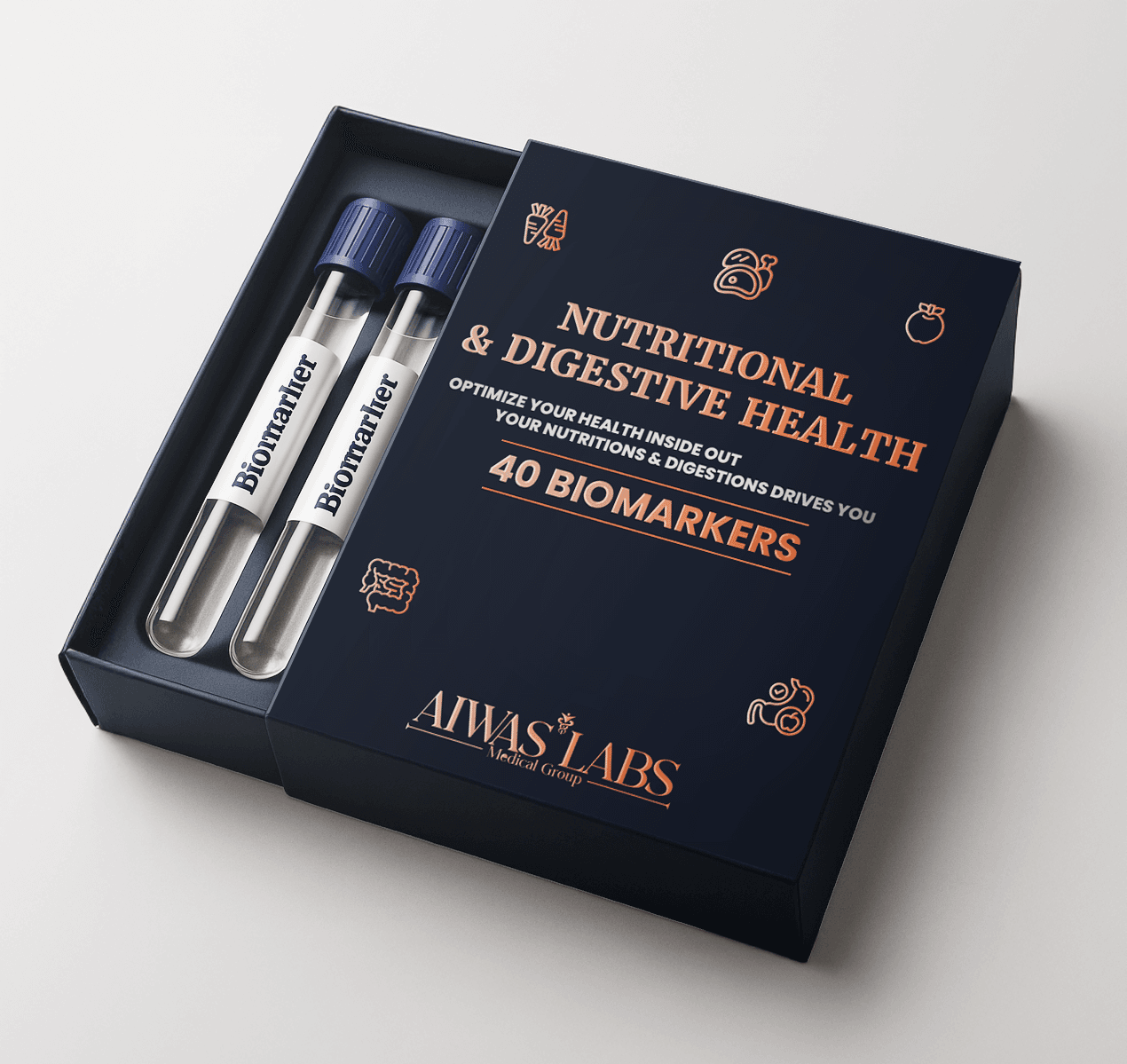
Optimise your health from the inside out — because digestion and nutrients drive so much more than you think. Experiencing persistent digestive discomfort, unexplained fatigue, changes in your digestion or nutrient levels, or just curious about how well your body is absorbing and using key nutrients? Our comprehensive panel gives you an in-depth look at how your blood counts, nutrients, metabolism, lipid profile, digestive-immune markers and gut-related antibodies are performing — all in one same-day package. This test is ideal for anyone with symptoms like bloating or constipation, unexplained tiredness, hair/skin changes, low iron or vitamin levels, or those who've had digestive conditions in the past and want to check how everything is functioning today.
4.9/5
£199
Frequently bought with this test
Book Your Appointment
Ready to Book?

Health Insights, Made Personal
Understand what your results mean with a personalised doctor's report.
Gain expert insights and clear next steps tailored to your health journey.
- Practical, easy-to-follow advice
- Guidance from your personal doctor
- Personalised health recommendations
Know What you're Taking
Essential information about your test
What's in the test
£199 - (Same-Day Results) - 40 Biomarkers
What we measure:
- Haemoglobin - The oxygen-carrying protein that gives red blood cells their colour. Checks how well oxygen is being transported throughout your body.
- Haematocrit (HCT) - Measures the volume of your blood made up of red blood cells.
- Red Blood Cell Count (RBC) - Measures concentration of red blood cells essential for transporting oxygen and removing carbon dioxide.
- MCV (Mean Corpuscular Volume) - Indicates the average size of your red blood cells and how effectively they transport oxygen.
- MCH (Mean Corpuscular Haemoglobin) - Reflects the average mass of haemoglobin within individual red blood cells.
- MCHC (Mean Corpuscular Haemoglobin Concentration) - Represents the average concentration of haemoglobin within red blood cells.
- Platelets - Small cell fragments that play a key role in preventing blood loss and wound healing.
- MPV (Mean Platelet Volume) - Reflects the average size of platelets and indicates bone marrow platelet production activity.
- WCC (White Cell Count) - Indicates the total number of white blood cells essential for immune defence.
- Lymphocytes Count - Specialised white blood cells (T cells, B cells, NK cells) central to adaptive immune response.
- Basophil Count - Involved in allergic reactions and inflammation, releasing histamine and other chemicals.
- Eosinophil Count - Combat parasitic infections and are involved in allergic reactions and asthma.
- Monocyte Count - Large white blood cells that become macrophages, vital for defence and tissue repair.
- Neutrophil Count - Most abundant white blood cells, your first line of defence against bacterial infections.
- HbA1c (3-month blood sugar control) - Reflects average blood sugar levels over the past 2–3 months, showing long-term blood sugar control.
- Insulin - Hormone that helps move glucose into cells for energy. Shows how well your body handles sugar and detects insulin resistance.
- Calcium - Essential for healthy bones, teeth, nerves, and muscles.
- Calcium (Adjusted) - Accounts for protein levels (albumin) giving a more accurate measure of available calcium.
- Albumin - Protein made by the liver that maintains fluid balance and transports nutrients and hormones.
- Total Cholesterol - Overall amount of cholesterol in your blood.
- LDL Cholesterol ('bad' cholesterol) - Carries cholesterol to arteries; high levels can cause plaque buildup.
- HDL Cholesterol ('good' cholesterol) - Helps remove excess cholesterol from blood, protective against heart disease.
- Total Cholesterol / HDL Ratio - Compares overall cholesterol to protective HDL; lower ratio means healthier balance.
- Triglycerides - Type of fat stored for energy; high levels increase heart disease risk.
- Non-HDL Cholesterol - All atherogenic cholesterol particles (LDL, VLDL, IDL) capable of contributing to arterial plaque.
- Iron - Essential mineral for making haemoglobin. Low iron causes anaemia and fatigue.
- Ferritin - Protein that stores iron. Shows your iron reserves.
- Transferrin - Protein that carries iron through blood to where it's needed.
- Transferrin Saturation - Measures how much transferrin is loaded with iron.
- Total Iron Binding Capacity (TIBC) - Reflects total amount of iron your blood proteins can carry.
- Vitamin D - Vital for healthy bones, muscles, and immune function. Helps absorb calcium and phosphate.
- Folic Acid (Vitamin B9) - Needed to make red blood cells and DNA. Key role in energy production and cell growth.
- Vitamin B12 - Essential for healthy nerves, red blood cell production, and energy metabolism.
- Magnesium - Needed for hundreds of biochemical reactions including energy production, muscle function, and nerve transmission.
- H. Pylori - Bacteria that can infect stomach lining, common cause of stomach ulcers and gastritis.
- Anti-Tissue Transglutaminase Antibodies (tTG-IgA/IgG) - Measured to screen for coeliac disease, an autoimmune reaction to gluten.
- Total Antioxidant Status (TAS) - Measures overall ability to counteract harmful free radicals that damage cells.
- IgA (Immunoglobulin A) - Antibody defending digestive tract, respiratory system and mucosal areas against infections.