Frequently bought with this test
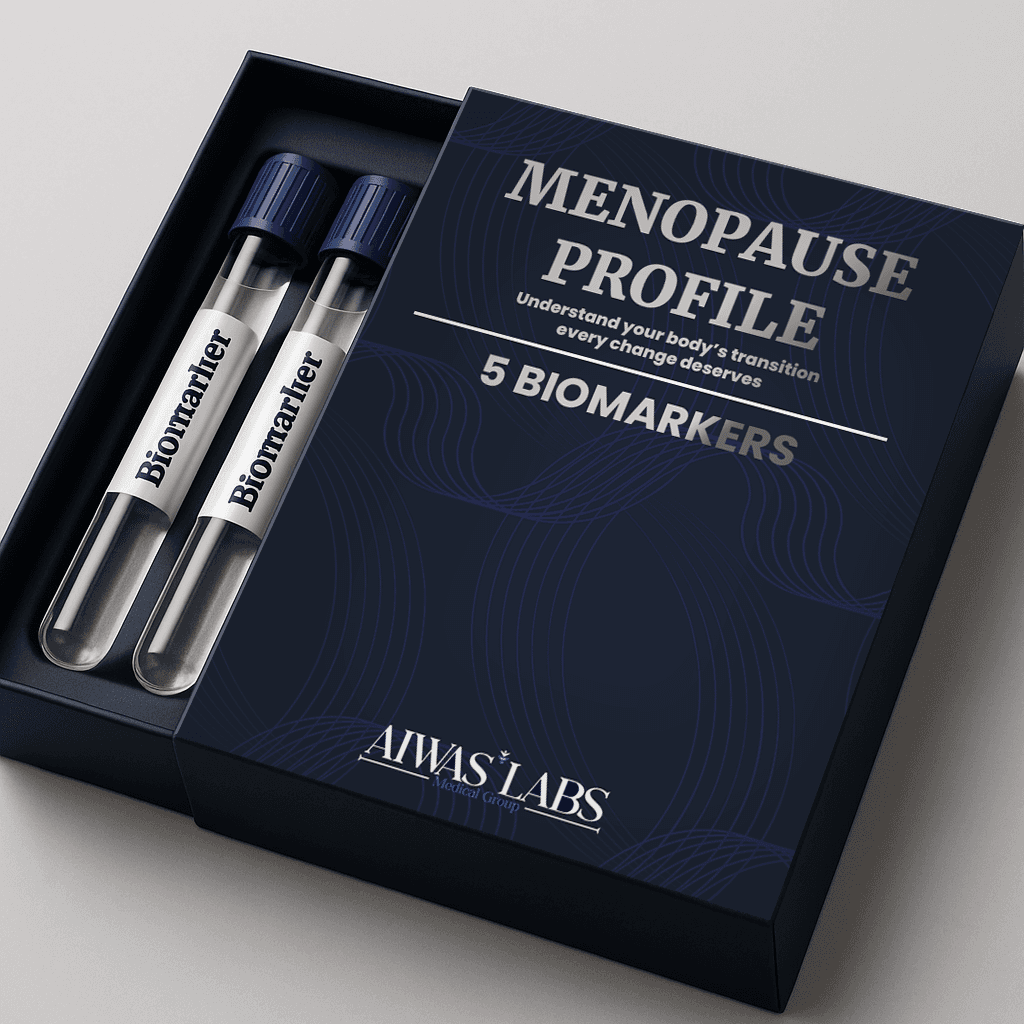
Menopause Profile
Experiencing changes in your cycle, hot flushes, mood swings, or difficulty sleeping? Our Menopause Profile helps assess your hormonal balance and provides clarity on whether you may be approaching or going through menopause. This test measures the key hormones that fluctuate during the menopausal transition — offering insight into your reproductive hormone status and thyroid function, both of which can influence energy, mood, and overall wellbeing. It's ideal for women seeking confirmation of menopause, perimenopause, or investigating symptoms related to hormonal changes.
4.8/5
£79
Frequently bought with this test
Book Your Appointment
Ready to Book?

Health Insights, Made Personal
Understand what your results mean with a personalised doctor's report.
Gain expert insights and clear next steps tailored to your health journey.
- Practical, easy-to-follow advice
- Guidance from your personal doctor
- Personalised health recommendations
Know What you're Taking
Essential information about your test
What's in the test
Understand your body's transition — because every change deserves clarity
What we measure:
- Produced by the pituitary gland, FSH stimulates the growth of ovarian follicles.
- Rising FSH levels often indicate a decline in ovarian function, typical of perimenopause and menopause.
- Works with FSH to regulate ovulation.
- Elevated LH levels are common after menopause due to reduced ovarian hormone production.
- The primary female sex hormone responsible for regulating menstrual cycles, bone health, and mood.
- Declining oestradiol levels are a hallmark of menopause and often linked to classic symptoms like hot flushes or night sweats.
- Checks how well your thyroid is functioning.
- Thyroid imbalance can mimic or worsen menopausal symptoms such as fatigue, mood changes, and weight fluctuation.
- The main thyroid hormone that controls metabolism and energy.
- Measuring Free T4 alongside TSH helps determine whether your thyroid is underactive or overactive — important since thyroid and menopausal symptoms can overlap.